Book · recommended on 3 episodes
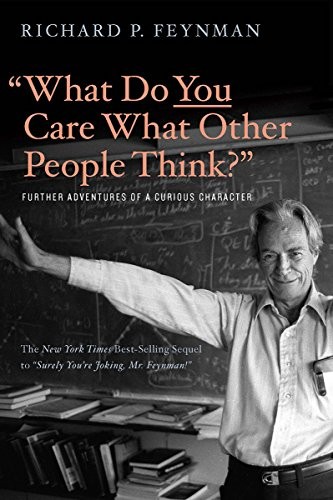
What Do You Care What Other People Think?
Richard Feynman ISBN 0393355640
Find it on AmazonAffiliate link — we may earn a commission at no extra cost to you.
Richard Feynman ISBN 0393355640
Find it on AmazonAffiliate link — we may earn a commission at no extra cost to you.
This book by Richard Feynman has come up 3 times on Andrew Huberman. 3 of those mentions were genuine on-air recommendations, not just passing references. The people who brought it up: Andrew Huberman. The earliest mention we indexed is from 2022-02-07 and the most recent from 2026-01-29. Every occurrence below links to the episode page and to the exact second it was said on YouTube.
One of the greatest physicists of the twentieth century, Richard Feynman possessed an unquenchable thirst for adventure and an unparalleled ability to tell the stories of his life.
“surely you're joking, Mr. Fineman or what do you care what other people think? These are wonderful short stories mostly about Fineman”— Andrew Huberman
The guest here is Andrew Huberman (solo): Professor of neurobiology and ophthalmology at Stanford School of Medicine and host of the Huberman Lab podcast. This is a solo Essentials episode. Huberman explains the neuroscience of play and why low-stakes, playful exploration is the most powerful portal to lifelong brain plasticity.
“If you haven't already read books such as "Surely You're Joking, Mr. Feynman," or "What Do You Care What Other People Think," I encourage you to do so.”— Andrew Huberman
The guest here is Andrew Huberman: Professor of neurobiology and ophthalmology at Stanford School of Medicine and host of the Huberman Lab Podcast. This is a solo episode with no outside guest. Huberman reframes grief as a motivational, dopamine-driven yearning state and explains how to remap loss across space, time, and closeness.
“or "What Do You Care What Other People Think?" these are wonderful short stories, mostly about Feynman”— Andrew Huberman
The guest here is Andrew Huberman: Professor of Neurobiology and Ophthalmology at Stanford School of Medicine and host of the Huberman Lab Podcast. This is a solo episode with no outside guest. Andrew Huberman explains how play rewires the brain at any age by triggering neuroplasticity through low-stakes, low-adrenaline exploration of new roles and contingencies.
 26× recommended
Tom O'Neill
 17× recommended
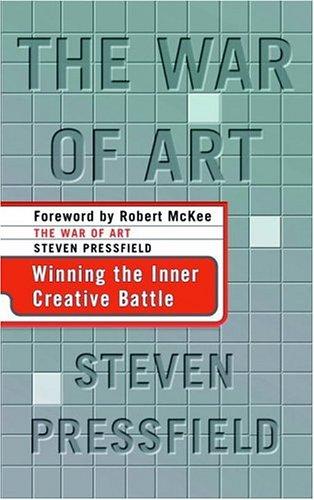
Steven Pressfield
 17× recommended
S.C. Gwynne
 16× recommended
Marcus Aurelius
 16× recommended
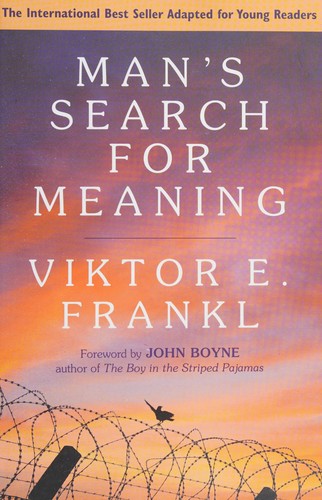
Viktor Frankl
 15× recommended
Brian Muraresku