This book by Richard Prum has come up 2 times on Lex Fridman. 2 of those mentions were genuine on-air recommendations, not just passing references. The people who brought it up: Lisa Feldman Barrett. The earliest mention we indexed is from 2020-10-04 and the most recent from 2020-11-20. Every occurrence below links to the episode page and to the exact second it was said on YouTube.
What it is
What can explain the incredible diversity of beauty in nature? Richard O. Prum, an award-winning ornithologist, discusses Charles Darwin's second and long-neglected theory--aesthetic mate choice--and what it means for our understanding of evolution. In addition, Prum connects those same evolutionary dynamics to the origins and diversity of human sexuality, offering riveting new thinking about the evolution of human beauty and the role of mate choice, thereby transforming our ancestors from typical infanticidal primates into socially intelligent, pair-bonding caregivers.
Every time it came up
Lisa Feldman Barrett: Love, Evolution, and the Human Brain | Lex Fridman Podcast #140
“there's also the evolution of beauty which is yeah which is also a great book”— Lisa Feldman Barrett
The guest here is Lisa Feldman Barrett: A neuroscientist at Northeastern University and one of the most cited psychologists in the world, known for her theory of constructed emotion. She is the author of How Emotions Are Made and Seven and a Half Lessons About the Brain. Neuroscientist Lisa Feldman Barrett joins Lex Fridman for a freewheeling talk on love, brain evolution, free will, and consciousness.
Lisa Feldman Barrett: Counterintuitive Ideas About How the Brain Works | Lex Fridman Podcast #129
“i think you're talking about the evolution of beauty the book that was written recently by was it from um without his name richard from”— Lisa Feldman Barrett
The guest here is Lisa Feldman Barrett: A professor of psychology at Northeastern University and one of the world's most cited neuroscientists, known for the theory of constructed emotion and books How Emotions Are Made and Seven and a Half Lessons About the Brain. Neuroscientist Lisa Feldman Barrett dismantles the triune-brain myth and explains how the brain predicts, constructs emotions, and budgets the body.
More books worth your time
 26× recommended
Chaos: Charles Manson, the CIA, and the Secret History of the Sixties
Tom O'Neill
 17× recommended
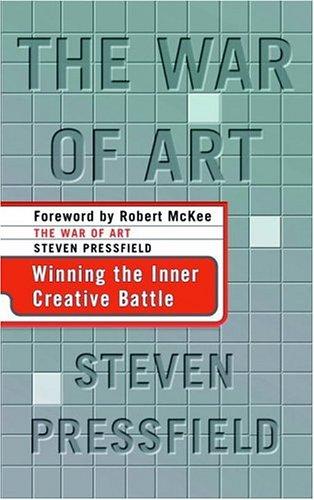
The War of Art
Steven Pressfield
 17× recommended
Empire of the Summer Moon
S.C. Gwynne
 16× recommended
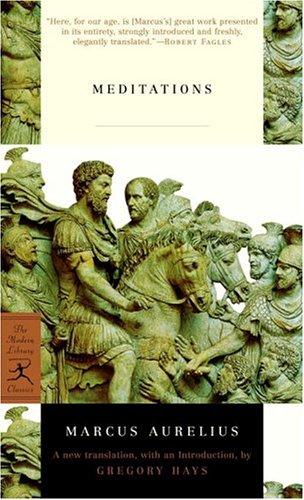
Meditations
Marcus Aurelius
 16× recommended
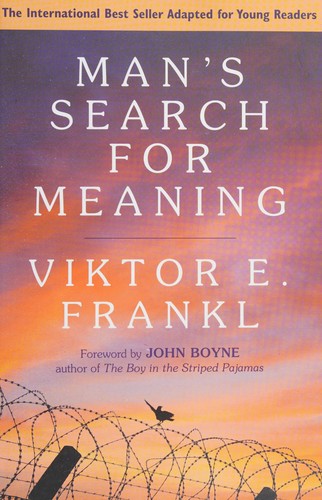
Man's Search for Meaning
Viktor Frankl
 15× recommended
The Immortality Key
Brian Muraresku